

We provide detailed building inspections to ensure structural safety, compliance, and long-term reliability of your property.

Certified and experienced engineers delivering accurate and reliable inspections.
Proven track record with a strong portfolio of successful inspection projects.
Get a clear, no-obligation quotation with transparent pricing and no hidden costs.
Quick inspections and detailed reports delivered on time, every time.
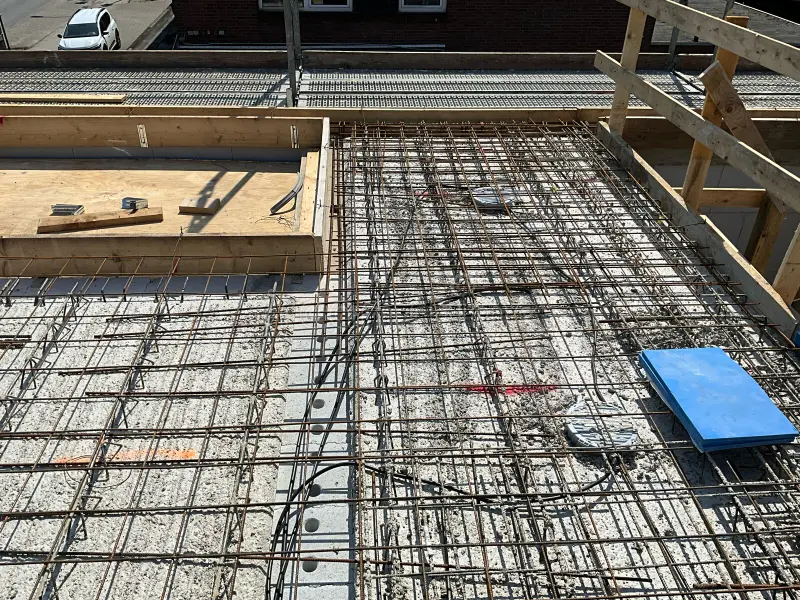
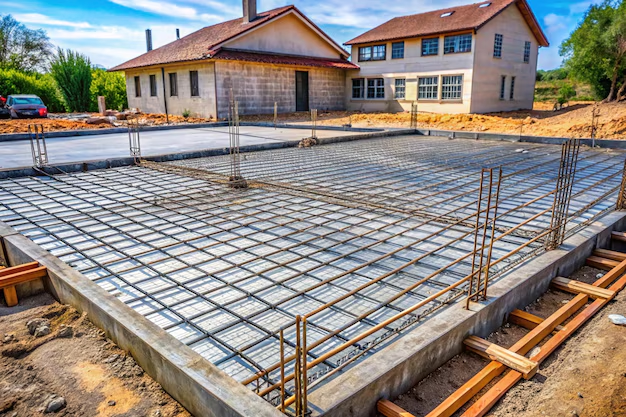
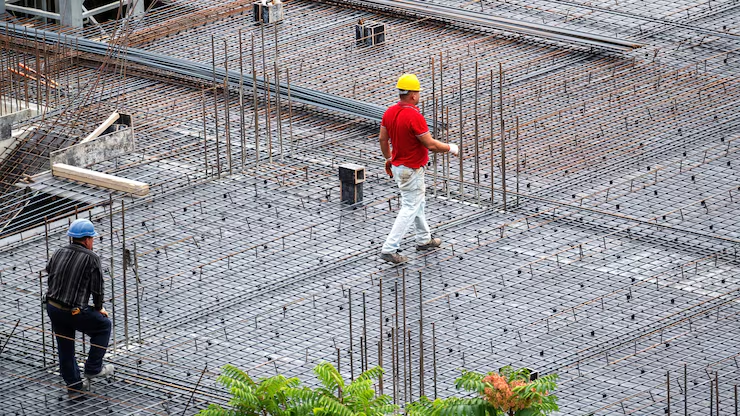
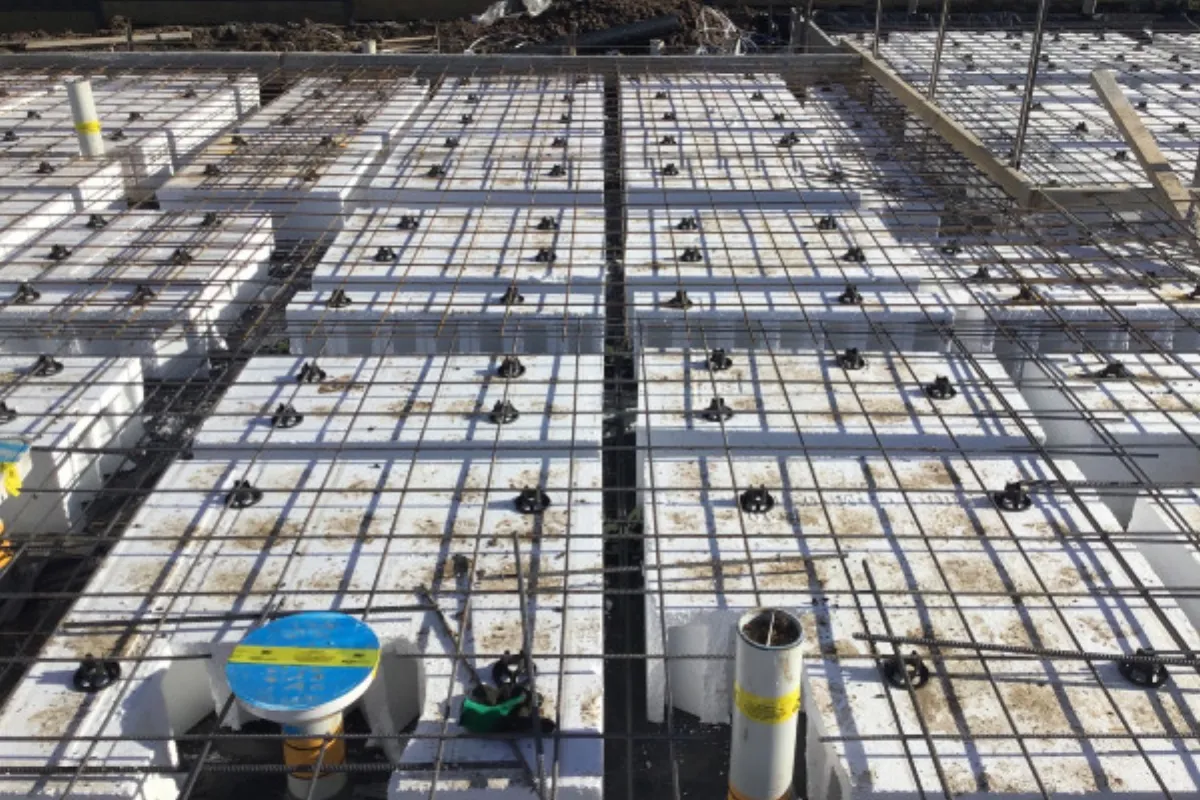
This inspection is carried out before the concrete slab is poured. It ensures the foundation preparation is completed correctly and the reinforcement, services, and moisture barriers are installed according to engineering plans and Australian building standards.
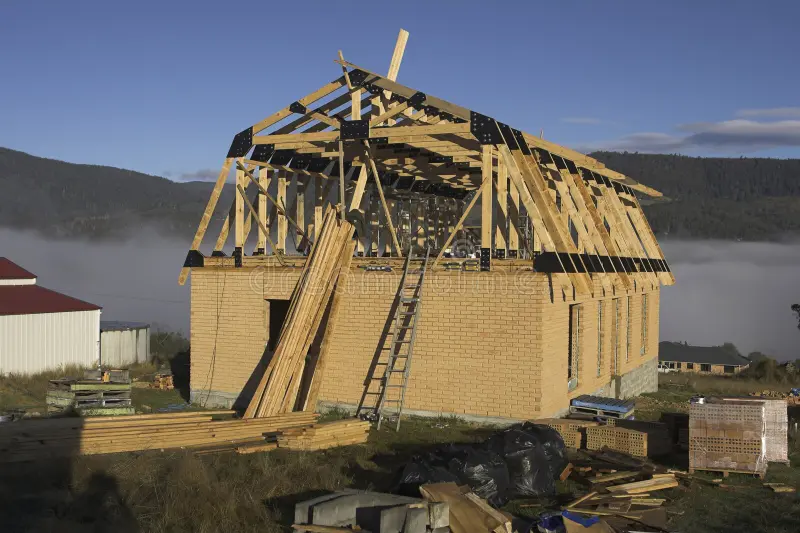
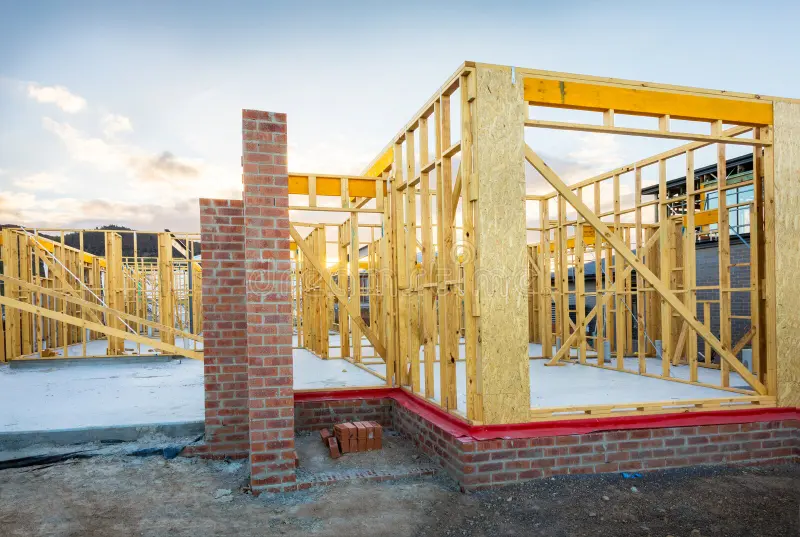
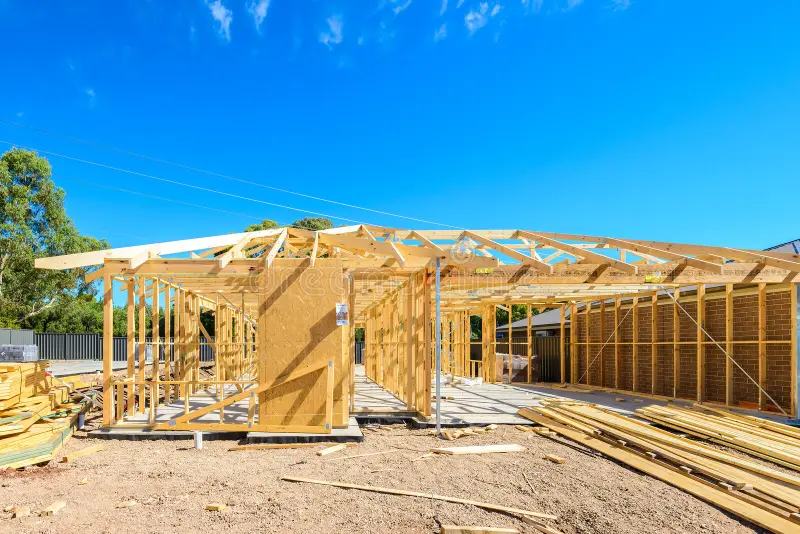
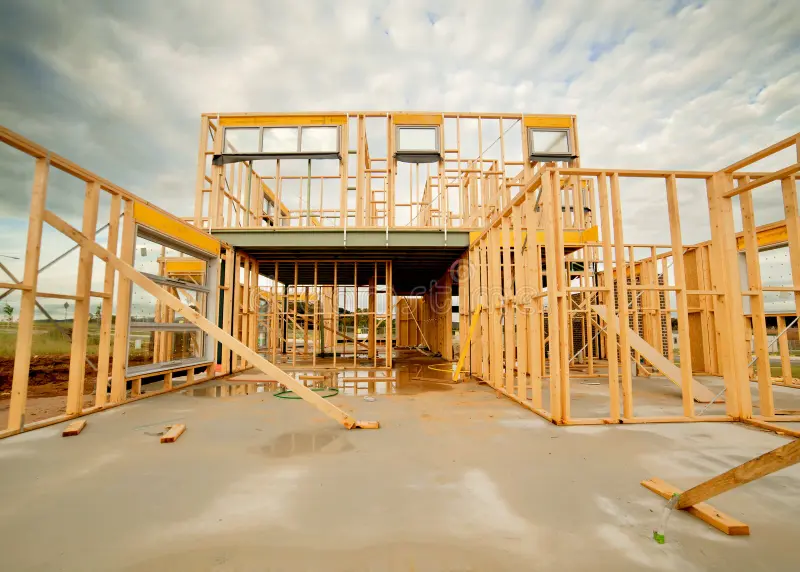
The frame stage inspection evaluates the structural skeleton of the building. Our inspectors check framing alignment, load-bearing elements, and roof truss connections to ensure the structure has been constructed safely and in accordance with the approved plans.
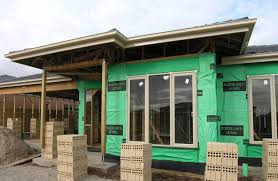
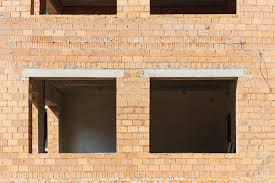

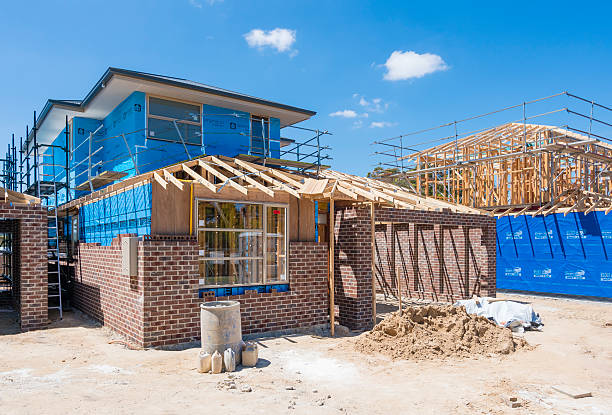
At the lock-up stage, the property is enclosed with windows, doors, roofing, and external cladding installed. This inspection confirms that the structure is secure, weather-resistant, and ready for internal works to begin.
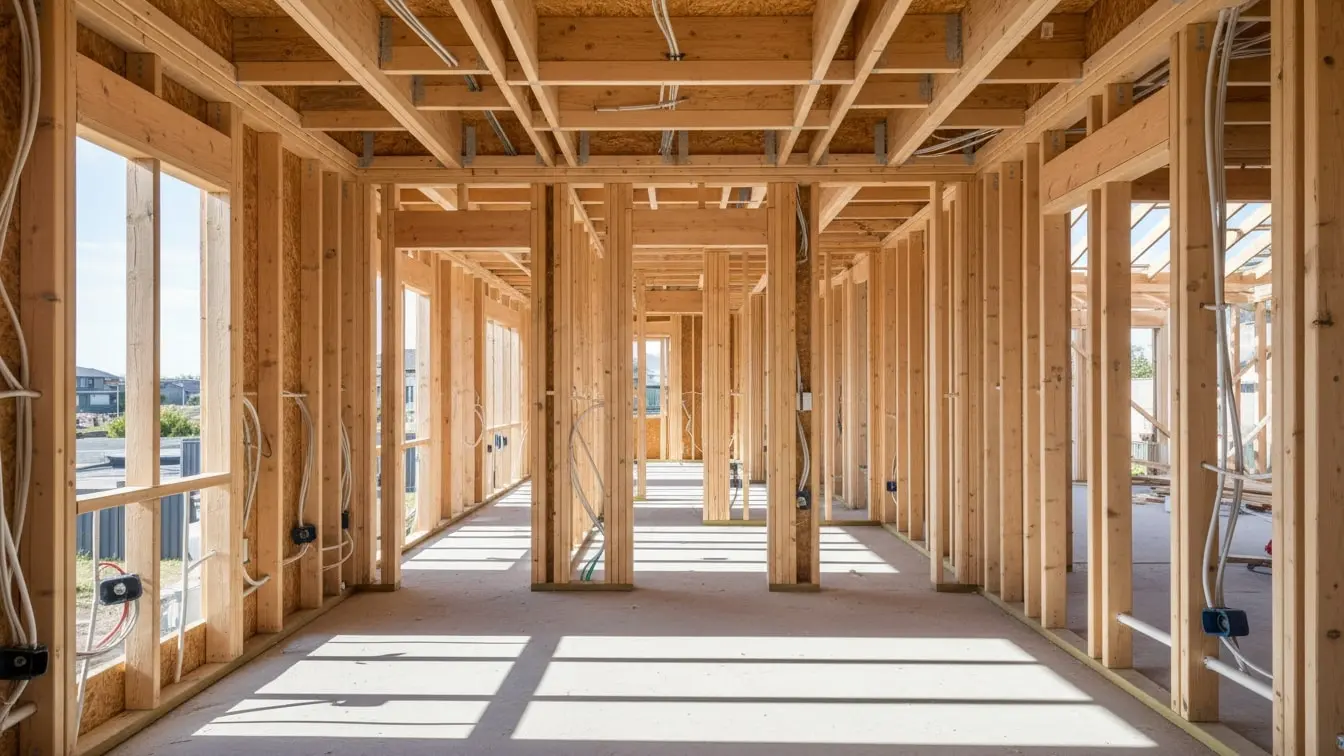
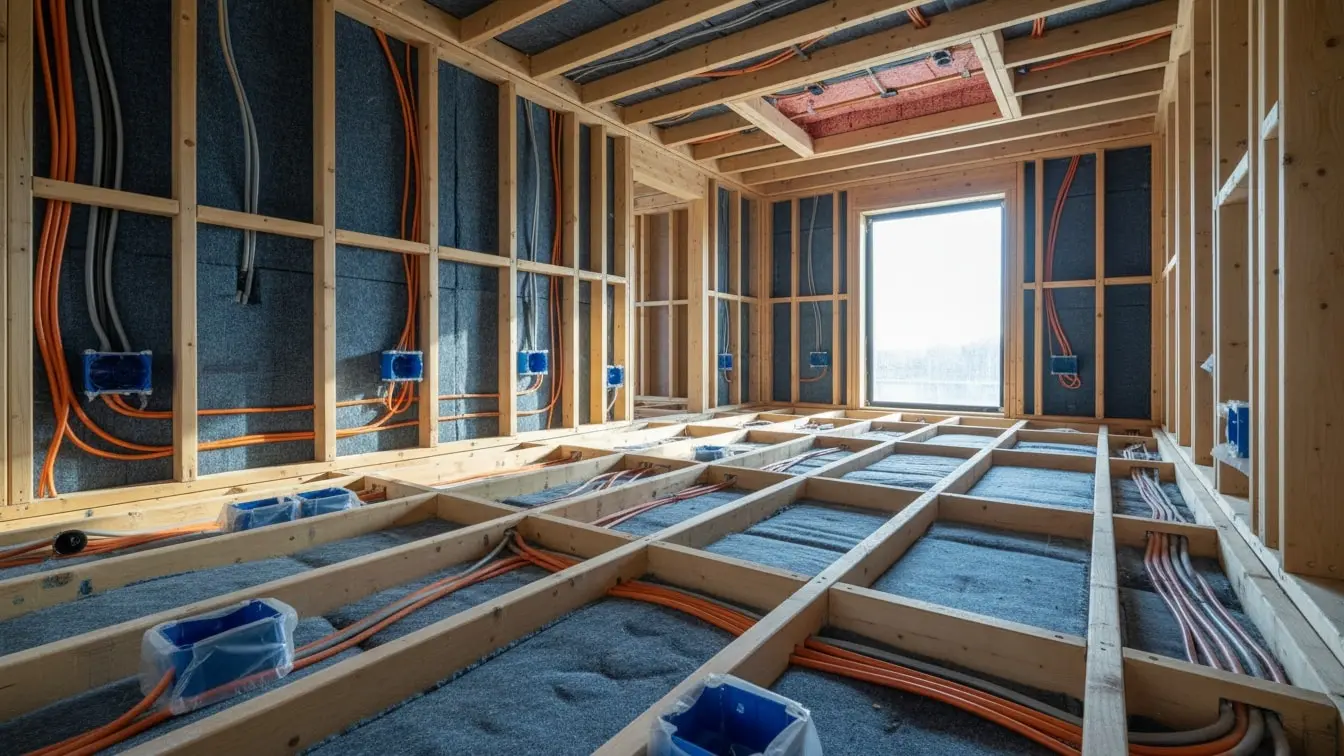
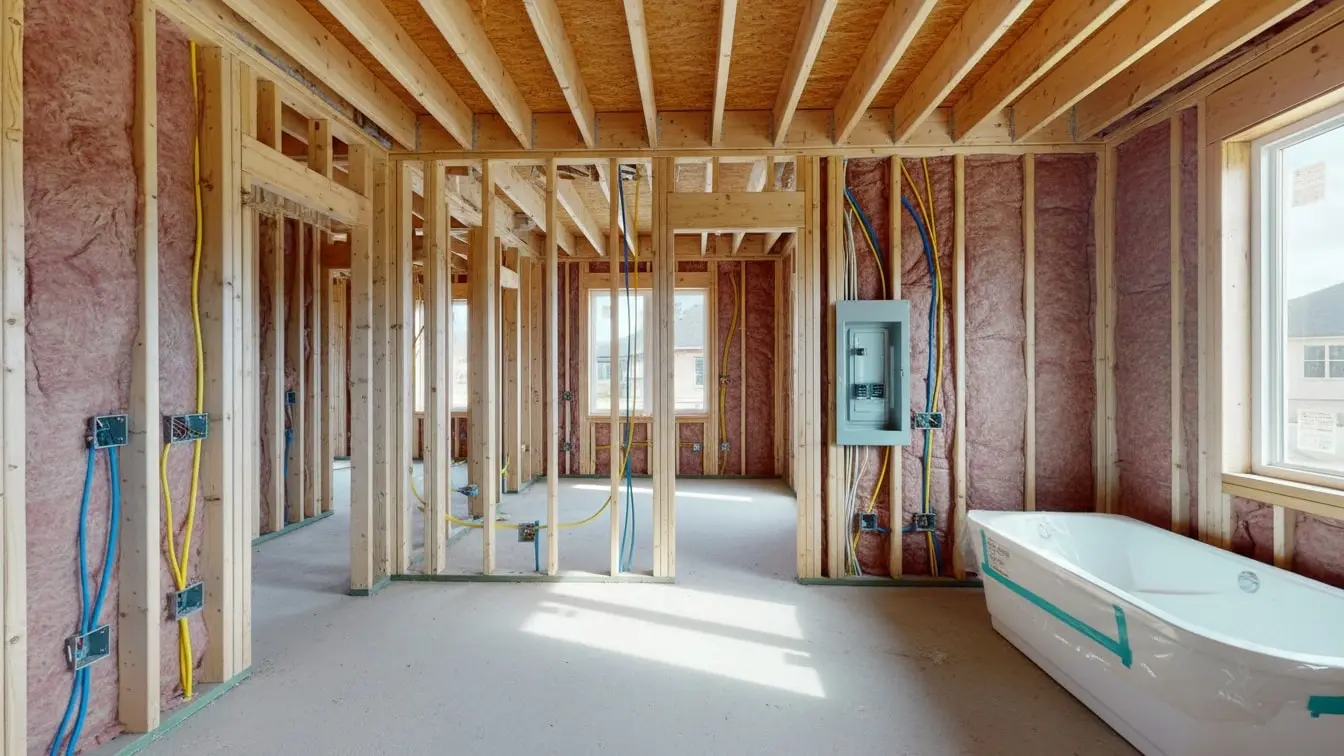
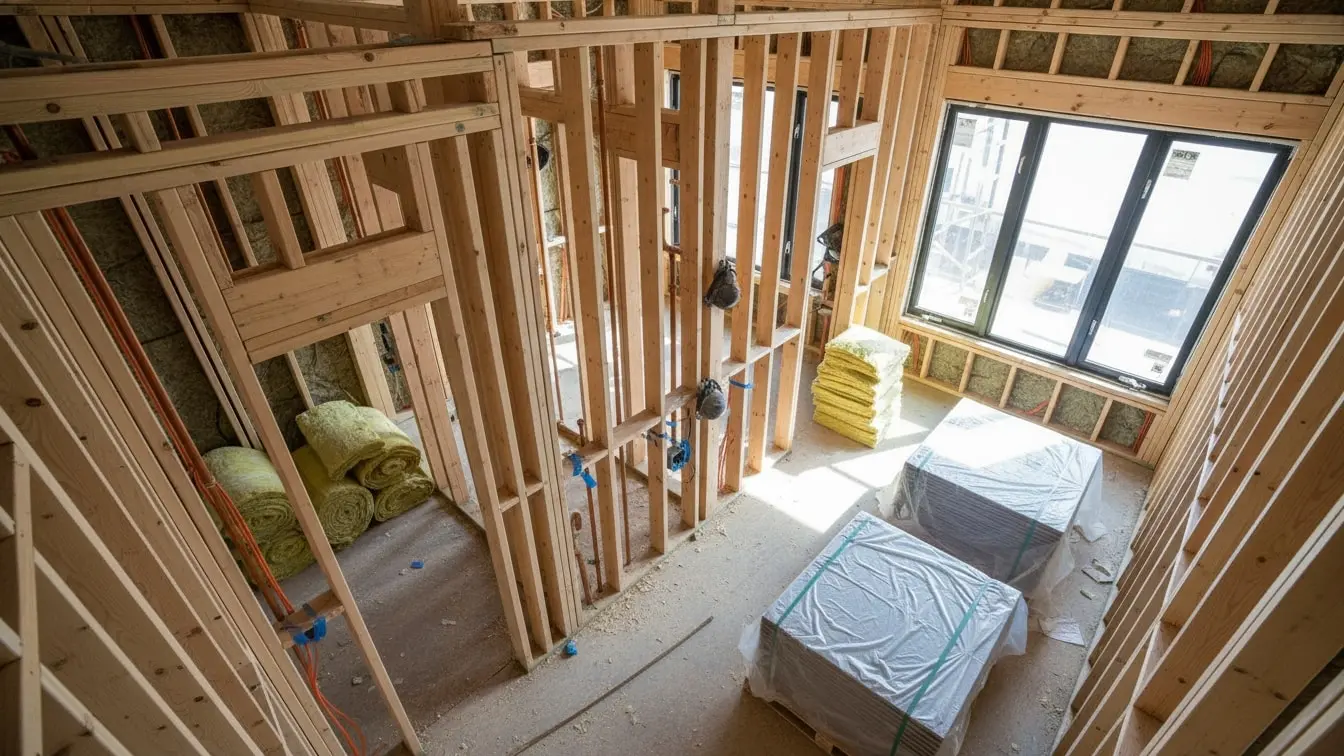
The pre-plaster inspection is conducted before plasterboard installation. This allows inspectors to review internal framing, electrical wiring, plumbing, and insulation before they become hidden behind wall linings.
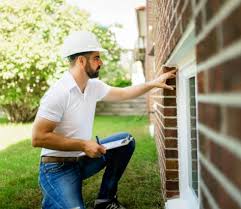
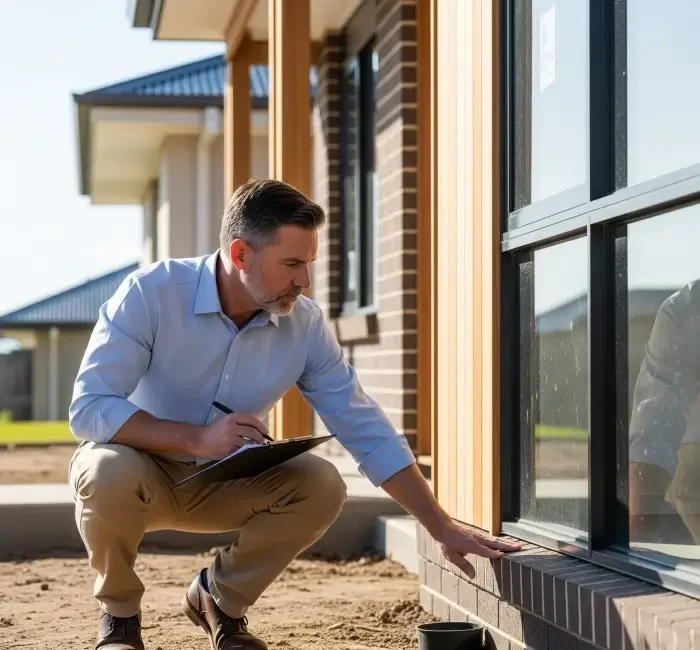
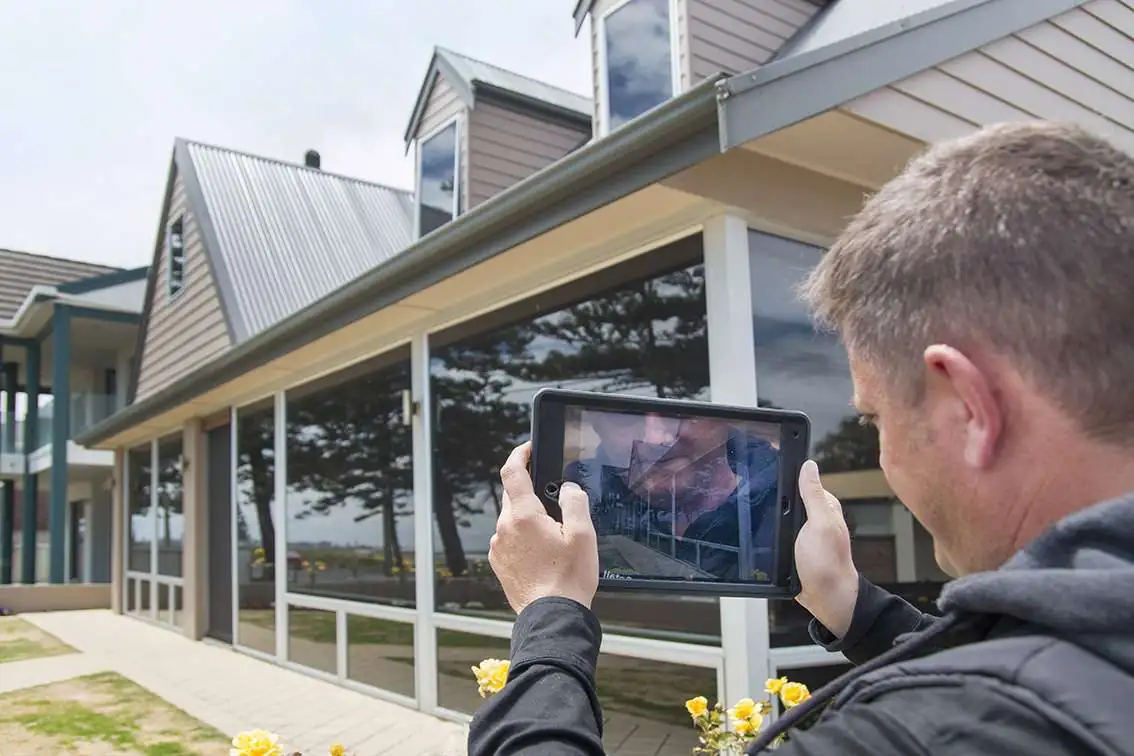

This final inspection takes place when the construction is completed but before the property is handed over to the owner. It identifies defects, unfinished work, and workmanship issues so they can be corrected before final settlement.


